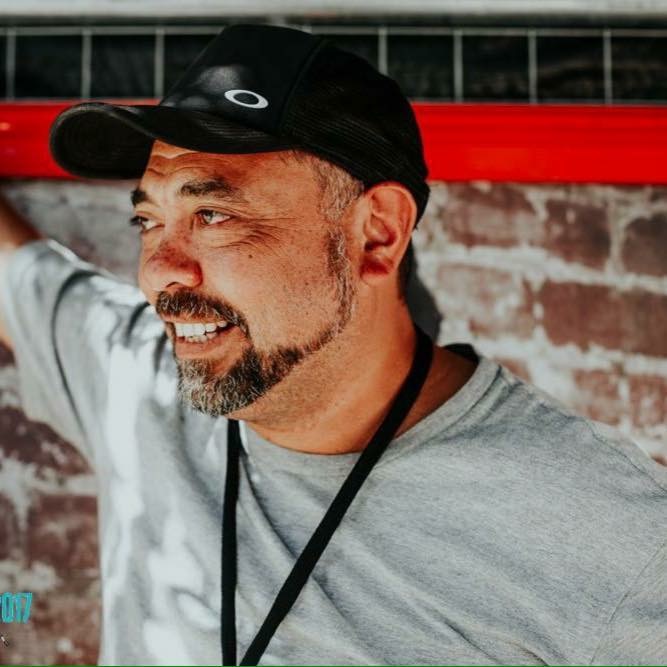
Two trades. One instinct.
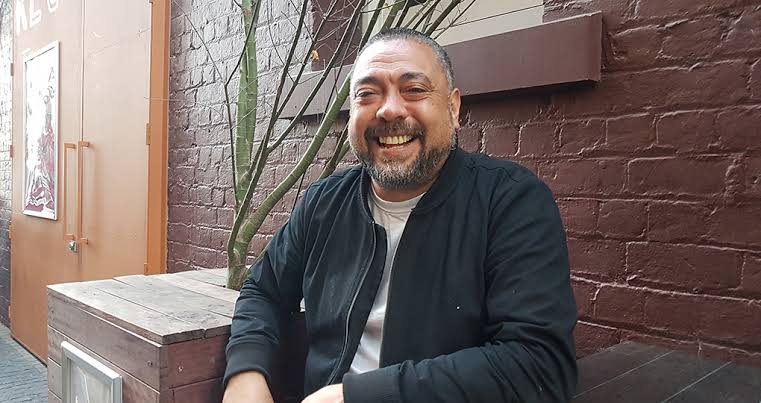
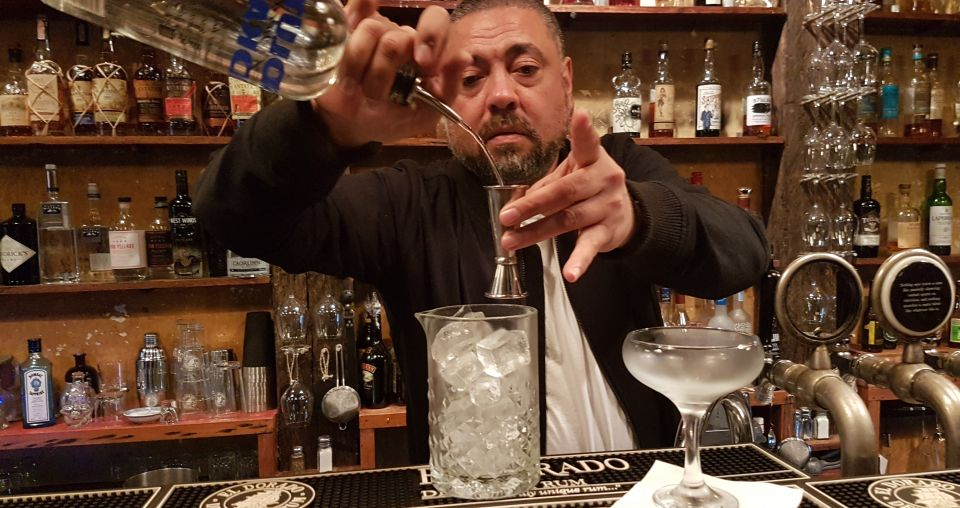
I've spent fifteen-plus years on the floor — Wellington, Invercargill, Te Anau, Auckland, and a run of festival sites in between — doing every job a venue actually needs done: opening up, training staff, fixing a roster at midnight, talking a supplier back off the ledge, and closing out a night that somehow still felt calm.
In the middle of all that I picked up a Bachelor of Information Technology, partly out of curiosity and partly because I was tired of watching good teams get let down by bad systems — spreadsheets standing in for stock control, whiteboards standing in for compliance logs. So alongside the venue work, I started building the tools I actually wanted: Hosti for stock and festival operations, CraftIt for recipe and margin costing, and a compliance-and-scheduling platform for a transport franchise network.
"The best operators and the best engineers ask the same question on a bad night: where exactly is this about to break, and who's standing there when it does?"
Case in point: the night a raft race and a wine festival let out at the same time and 350 unexpectedly thirsty people arrived at once. Nobody plans for that. What you can do is make the call fast, protect the room, and turn it into a policy so it doesn't happen the same way twice — which is exactly what I did, and NZ Herald wrote it up (see Press & Media below).
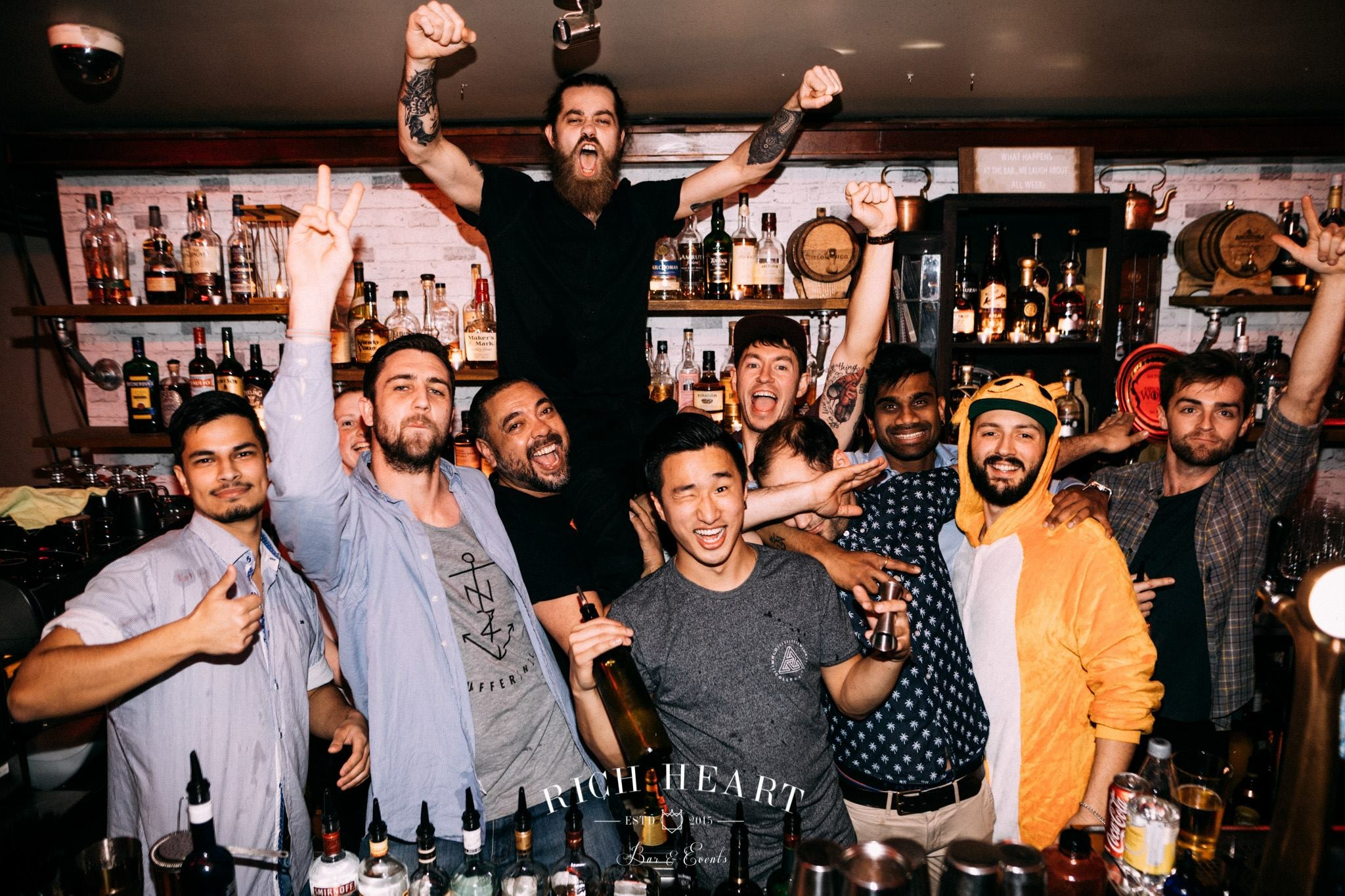
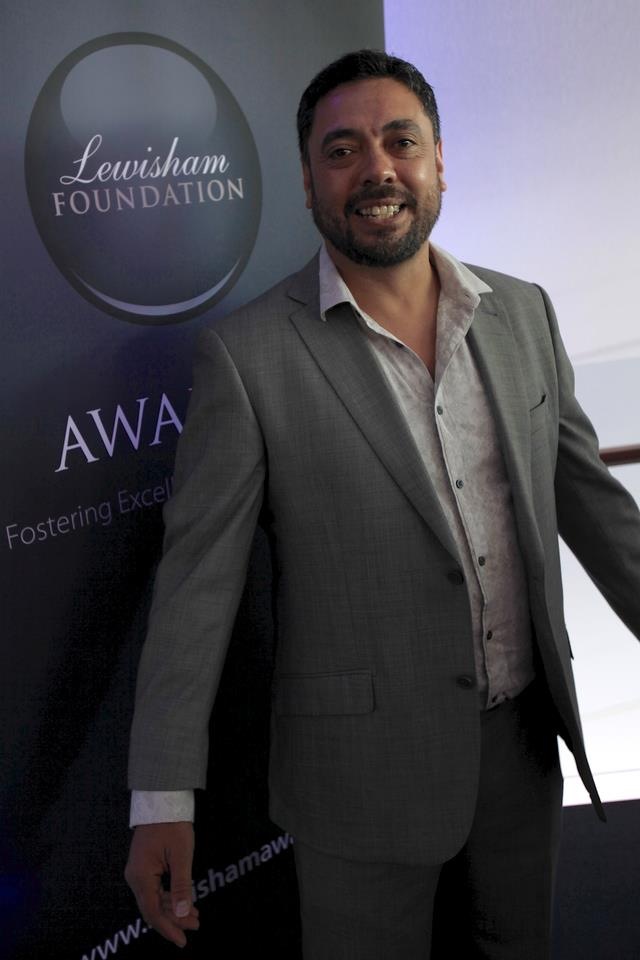
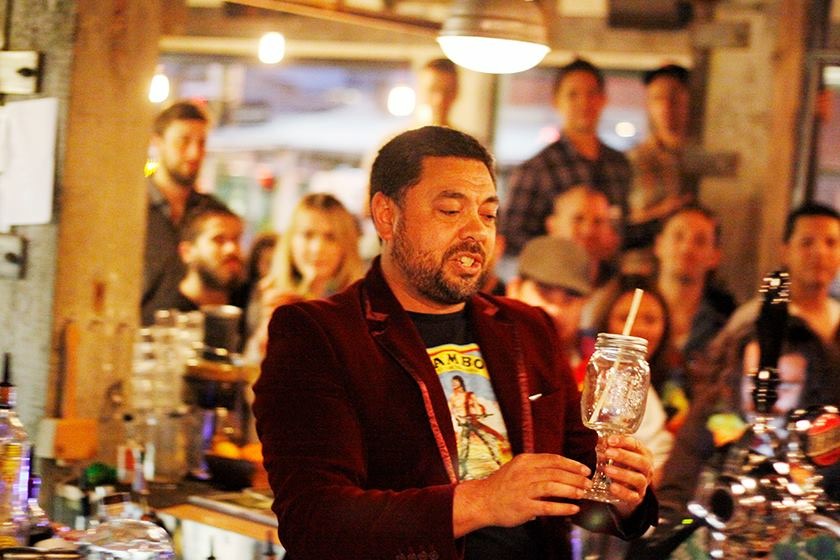
I've led teams through Splore and the Gardens of Unearthly Delights, been a finalist for Contribution to Hospitality and Best Maître D', and — before any of that — spent a year teaching in Busan, Korea, which turned out to be its own crash course in reading a room. What I bring isn't a hospitality résumé or a tech résumé pretending to be the other. It's one person who's done both the 6am prep list and the 6am deploy, and leads accordingly.
Today I'm looking for a leadership role — venue, operations, or hospitality-technology — where that combination is the actual point, not a nice-to-have.